

Stop chasing supplement refills by hand
Manual refill call lists fall apart when the clinic gets busy. Reach patients before the bottle is empty, send the reorder link in the same text thread, and let staff handle exceptions.

· 4 min read · Updated

A lot of supplement refill work is completely avoidable.
Someone keeps a list.
Someone remembers a patient is probably running low.
Someone makes a call.
The patient does not answer.
A voicemail gets left.
Two days later, somebody tries again.
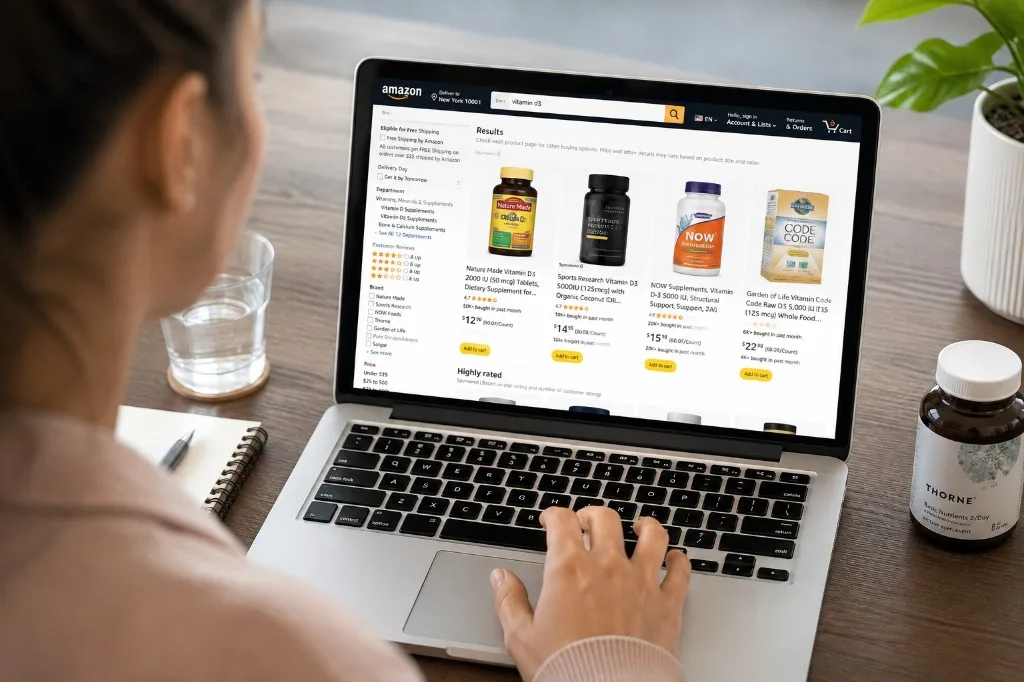
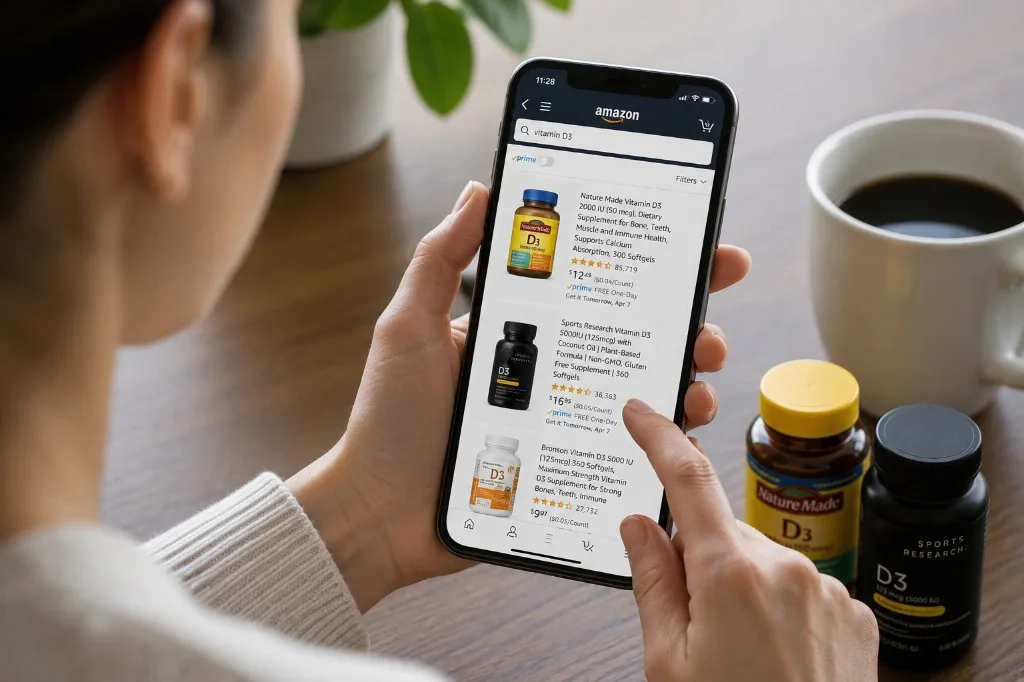
Meanwhile, the patient opens Amazon and orders the bottle themselves.
That is not a staff problem.
It is a timing problem.
The clinic usually knows who is going to run out
This is the frustrating part.
For most supplement protocols, you already have a decent idea of when a patient is going to need more.
A 30-day bottle is not a surprise.
Neither is a 60-day bottle.
But if there is no system around it, the refill still becomes reactive.
The front desk remembers at checkout.
A coordinator keeps a sticky note.
Someone runs through a call list at the end of the week.
The process works until the clinic gets busy.
Then it falls apart.
Calling everyone is a bad use of staff time
Most patients do not need a phone call.
They need a simple question.
“Getting low on anything?”
If the answer is no, great.
If the answer is yes, send the reorder link.
That whole interaction can take seconds.
There is no reason a coordinator should have to dial every patient individually just to find out who needs another bottle.
Reach people before the bottle is empty
The best time to ask about a refill is while the patient still has some left.
Once they run out, urgency takes over.
They are not thinking about your clinic’s preferred reorder process.
They just want the product.
That is when Amazon wins.
A better approach is to send a short running-low message a few days before the expected refill date.
Something like:
“You may be getting low on a few things. Need us to send your reorder link?”
Now the clinic is part of the decision before the patient starts shopping somewhere else.
Keep it in the same conversation
The refill should not feel like a separate campaign.
If the clinic already checks in with the patient by text, the refill can happen in that same thread.
Weekly check-in.
A reply here and there.
Then, when the timing makes sense:
“Getting low on anything?”
If they need something, send the Fullscript link, clinic store link, or whatever you already use.
That is much easier than asking the patient to remember a portal password or call the office.
Staff should handle the exceptions
Automation is useful here because most of the process is repetitive.
The clinic knows roughly when the patient will run low.
The clinic knows what message it wants to send.
The patient either needs something or they do not.
There is no reason a person needs to manually start every one of those conversations.
Let the routine messages go out automatically.
Then let staff step in when:
A patient has a question.
They stopped taking something.
They cannot afford the refill.
They need help with an order.
Something about the plan changed.
That is where staff time is actually useful.
This does not replace your dispensary
You do not need to change how you fulfill supplements.
If you use Fullscript, keep using Fullscript.
If you run your own store, keep using your store.
If your front desk handles the order, that can stay the same too.
The issue is not fulfillment.
The issue is getting to the patient before they buy somewhere else.
Some patients will still need a call
Texting will not solve everything.
Some people will not reply.
Some situations are too complicated for a text.
Some patients simply prefer the phone.
That is fine.
The goal is not to eliminate calls.
It is to stop using calls for the easy stuff.
If 80% of refill conversations can start with a short text, your team has more time for the 20% that actually need a person.
The refill problem is usually simpler than it looks
Clinics often think they need more staff, better inventory, or a bigger push at checkout.
Sometimes they just need to reach patients earlier.
Know when the patient is probably running low.
Send a simple message.
Make the reorder easy.
Let staff handle the exceptions.
That is a much better system than hoping somebody remembers to work through the refill list on Friday.
Common questions
- Who should send supplement refill reminders at a clinic?
- Routine running-low messages can go out automatically from the clinic's patient-facing number. Staff step in for questions, plan changes, affordability issues, or anything that needs a person.
- How often should clinics remind patients about supplement refills?
- A few days before the expected refill date, while the patient still has product left. Once the bottle is empty, urgency takes over and Amazon often wins.
- Does a text layer replace Fullscript or the in-office dispensary?
- No. Fulfillment stays with your store, Fullscript, or front desk. The fix is reaching people before they buy somewhere else, not changing how product ships.
- Will texting eliminate refill phone calls?
- No, and it should not try to. Some patients will not reply or will prefer the phone. The goal is to stop using calls for the easy stuff so staff have time for the conversations that need a person.
We cite public sources in the text where it matters. For operations and finance context only, not clinical, legal, or investment advice.
Keep reading
Patient Store
Your patient bought the supplement on Amazon. Now what?
Patients reorder on Amazon because the clinic missed the moment they needed another bottle. Reach them earlier, send a reorder link in the same text thread, and listen when they say why they shop elsewhere.
· 5 min read
Functional medicine
Professional supplements vs. Amazon: same label, different path
Same brand on the label does not mean the bottle took the same path. Why clinics care about authorized channels, what to tell patients without a lecture, and how convenience beats education.
· 4 min read

Functional medicine
Texting workflows for functional medicine clinics
Four simple texts cover most of the gap: welcome, weekly check-in, running-low, and an optional pre-visit message. Short, normal, easy to answer.
· 3 min read
See it on your patients.
Two weeks free on your real patients. Habit texts on a Helose-issued number. Patients reply on iMessage.